
Registered
Biodynamic Craniosacral
Therapy in Nelson, BC


BIODYNAMIC CRANIOSACRAL THERAPY
Balance Your Natural Rhythms
As a Registered Craniosacral Therapist in Nelson, BC, I help you regulate your nervous system and heal your body so you can return to a deep sense of peace in mind and heart.
I offer Biodynamic Craniosacral Therapy, a gentle, non-invasive approach to health that helps your body restore deep inner balance by supporting reconnection with its natural fluid rhythms and healing capacity.
PROMOTES NATURAL HEALTH
Gentle for all ages



DEEP HEALING FOR WHOLE BODY HEALTH
Biodynamic Craniosacral Therapy Helps

Nervous System
Stress, trauma, PTSD, anxiety, difficult emotions, birth trauma.

Head & Brain Health
Concussions, brain injuries, vertigo, headaches, and migraines.

Sleep & Energy
Chronic fatigue, insomnia, endocrine disorders, overactive adrenals.

Pain Relief
Acute & chronic pain, nerve, muscle, bone and joint pain, arthritis, TMJ.
Organs & fascia
Digestive disturbances, heart and vascular system, fibromyalgia.

Enhance Vitality
Restores inherent vitality, balances body systems, and promotes preventative self-care.

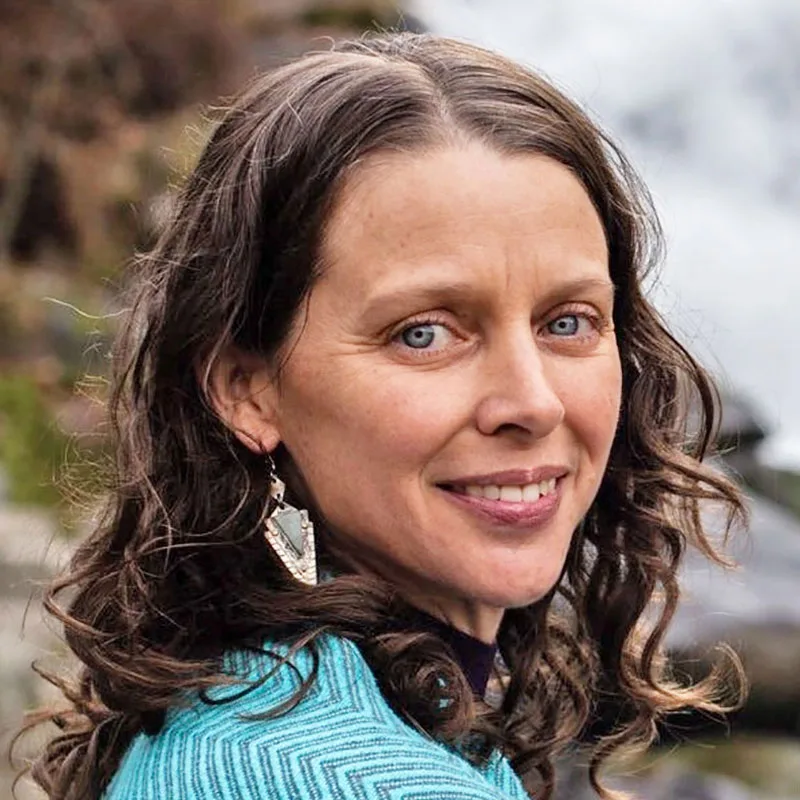
BCTA/NA – Approved Teacher
Christina Rella, RCST®
I am a Registered Craniosacral Therapist and Approved Teacher with the Biodynamic Craniosacral Therapy Association of North America. I completed the foundational 2-year training required to be a registered practitioner, as well as a teacher mentorship program with Body Intelligence, ensuring a deep clinical understanding of the work, supported by continued post-grad education and ongoing mentorship
- Nervous system regulation
- Anxiety and stress reduction
- Pain management and healing
Frequently Asked Questions
What is Biodynamic Craniosacral Therapy?
Biodynamic Craniosacral Therapy (BCST) is a gentle, whole-body–mind approach that combines an understanding of anatomy and physiology with mindfulness, skilled touch, and a deep appreciation for the body’s natural capacity to heal.
What is the history of Biodynamic Craniosacral Therapy?
Biodynamic Craniosacral Therapy has its roots in Osteopathy, founded by Dr. Andrew Taylor Still (1828–1917).
Dr. Still was originally trained in conventional medicine, but he began to question its effectiveness after he lost three of his children to meningitis. He wondered whether they had died from the disease or the treatments that had been administered. This experience led him to explore a different approach to health. His work evolved into Osteopathy, a practice that focuses on the alignment of structures, allowing the different body systems to function properly and maintain balance. He spent part of his life practicing medicine on the Shawnee Indian Reserve near Kansas, and his later work in Osteopathy was influenced in part by the bone-setting practices of the Shawnee people.
His student, Dr. William Garner Sutherland (1873–1954), expanded this work by studying the subtle movements within the body. He identified what he called the primary respiratory mechanism—a gentle, rhythmic motion present throughout all tissues that arises from a deeper organizing force, interfacing with the body first through the cerebrospinal fluid and the craniosacral system (the central nervous system and its protective membranes from the cranium to sacrum).
Dr. Sutherland observed that health is supported when this natural rhythm can express itself freely, and that restrictions may contribute to imbalances in the body.
From this understanding, Dr. Sutherland developed a cranial approach to osteopathy, emphasizing the release of restrictions within the subtle rhythms of the craniosacral system. In his later years, his work evolved into what is now known as the biodynamic approach, which views the inherent ordering principle responsible for subtle rhythmic movements through the body’s tissues and fluids as the primary driver of healing.
How does Biodynamic Craniosacral Therapy support the body's healing process?
During a BCST session, the practitioner listens deeply with sensitivity and embodied presence, observing the subtle movements of fluids, tissues, and bones throughout the body. Practitioners are trained to perceive the nuanced layers of the body’s physiology and to track changes over time.
This attuned awareness supports the release of tension in restricted or stagnant tissues, while helping the nervous system to down-regulate. As the body settles, it can begin to gently resolve patterns of stress, tension, and trauma.
Biodynamic Craniosacral Therapy emphasizes health and the body’s innate capacity to heal, supporting greater resilience, balance, and a deepening sense of stillness in both body and mind.
Who Can benefit from BCST?
Biodynamic Craniosacral Therapy (BCST) can benefit people of all ages and stages of life. It supports the natural flow of cerebrospinal fluid within the central nervous system and throughout the body, helping to promote healthy functioning in tissues and structures.
This gentle approach enhances overall health and vitality while allowing your body’s innate intelligence to prioritize and address healing needs in the most effective order.
While BCST is not a substitute for necessary medical care, it can be an excellent complement to other treatments you may be receiving.
What is the main difference between Biodynamic Craniosacral Therapy and mechanical therapies?
Mechanical therapies typically focus on specific dysfunctions and localized issues within the body. In contrast, Biodynamic Craniosacral Therapy takes a holistic approach, supporting the body as a whole rather than targeting isolated symptoms.
Rather than directing change, BCST allows the body’s innate intelligence to guide the healing process—prioritizing what needs attention and the order in which it unfolds. This approach can support deeper, more integrated, and lasting improvements in overall health and well-being.
Does Biodynamic Craniosacral Therapy only focus on symptoms?
Biodynamic Craniosacral Therapy takes a whole-body approach. Rather than focusing on symptoms, the practitioner follows the healing priorities set forward by the body’s deep intelligence.
This approach supports not only the relief of symptoms, but also the resolution of underlying patterns that contribute to imbalance—addressing the body, mind, and nervous system as an integrated whole.
What should I wear to a Biodynamic Craniosacral Therapy session?
You will remain fully clothed during your session. It’s recommended to wear comfortable, loose-fitting clothing that allows you to relax easily on the table.
What does it mean that Biodynamic Craniosacral Therapy takes a "holistic" approach?
Biodynamic Craniosacral Therapy recognizes the whole person, acknowledging the interconnectedness of physical, emotional, mental, and spiritual experiences that may contribute to your current state of discomfort or imbalance.
What does a Biodynamic Craniosacral Therapy session look like?
Each session begins with a brief conversation to discuss your needs and treatment intentions. You will then lie comfortably on a massage table, fully clothed.
The practitioner makes gentle contact with the body—often beginning at the feet—to sense the body’s overall tone and rhythms. Throughout the session, they may move to different areas of the body, maintaining a quiet, attentive presence while listening for subtle changes and supporting the body’s natural healing priorities.
Will I feel anything during a Biodynamic Craniosacral Therapy session?
Experiences during a session can vary from person to person. You may enter a deeply relaxed or meditative state, and some people even fall asleep.
It’s also common to notice subtle sensations such as warmth or coolness, softening, widening, lengthening, or a sense of floating. At times, people may become aware of memories or insights as the body settles.
Some may experience gentle movements in the body, such as muscle or limb twitching, sensations of compression or release, or a feeling of the body reorganizing. All of these responses are natural and reflect the body’s process of self-regulation and healing.
Is it okay if I don't feel much during a session?
Yes. It’s completely normal not to feel much, especially at first. Each person’s experience is unique, and the absence of strong sensation doesn’t mean the session isn’t effective.
Over time, as the body and nervous system begin to settle and become more attuned, you may notice increased awareness of subtle sensations and shifts. This process unfolds naturally as the body aligns with its inherent rhythms and capacity for healing.
Notable
2006 – Moon Course, Las Piramides Del Ka, Yoga, Meditation, Silence
2008 – 200-hour Heart Yoga Teacher Certificate
2020 – Diploma of Biodynamic Craniosacral Therapy, BCST
2020 – Registered Biodynamic Craniosacral Therapist, RCST ®
2021 – 50-hour Yin Yoga Teacher Certificate
2022 – 2-year Mindfulness Meditation Teacher Certificate, MMTCP
2026 – 21 day Silent Meditation Retreat, Las Piramides Del Ka
2026 – BCTA/NA Approved Teacher, biodynamic craniosacral therapy
Christina provides the space that allows one to simply be themselves, while gently communicating, and allowing for any personal needs that may come up. The expansiveness that I not only felt in my body, which also seems to reflect within my day to day living, is enough to make me want to continue with the cranial sacral work that I have been fortunate enough to experience.